Woven Wonders: The Artistry and Timeless Beauty of Woven Design
In the vast realm of design, few techniques carry the rich history and enduring allure of weaving. From ancient civilizations to contemporary aesthetics, woven materials have played a pivotal role in creating functional and artistic pieces that stand the test of time. This article celebrates the artistry and timeless beauty of woven design, exploring its cultural significance, versatile applications, and enduring popularity.
-
The Cultural Tapestry of Weaving:
a. Historical Roots: Weaving is an ancient craft that dates back thousands of years. Across cultures and continents, weaving has been used to create textiles, baskets, and intricate artworks. The craft holds a special place in the cultural heritage of many societies.
b. Symbolism and Tradition: Different weaving patterns, motifs, and colors often hold cultural significance, telling stories of traditions, rituals, and community identity. Whether it's the intricate tapestries of Europe, the Navajo rugs of Native American tribes, or the Kente cloth of West Africa, woven pieces are rich with symbolism.
-
Versatility in Materials:
a. Textile Wonders: The most common form of weaving is found in textiles. Fabrics ranging from cotton and linen to silk and wool showcase the diversity of woven materials. Whether creating soft, tactile blankets or durable, everyday clothing, weaving allows for a myriad of textures and patterns.
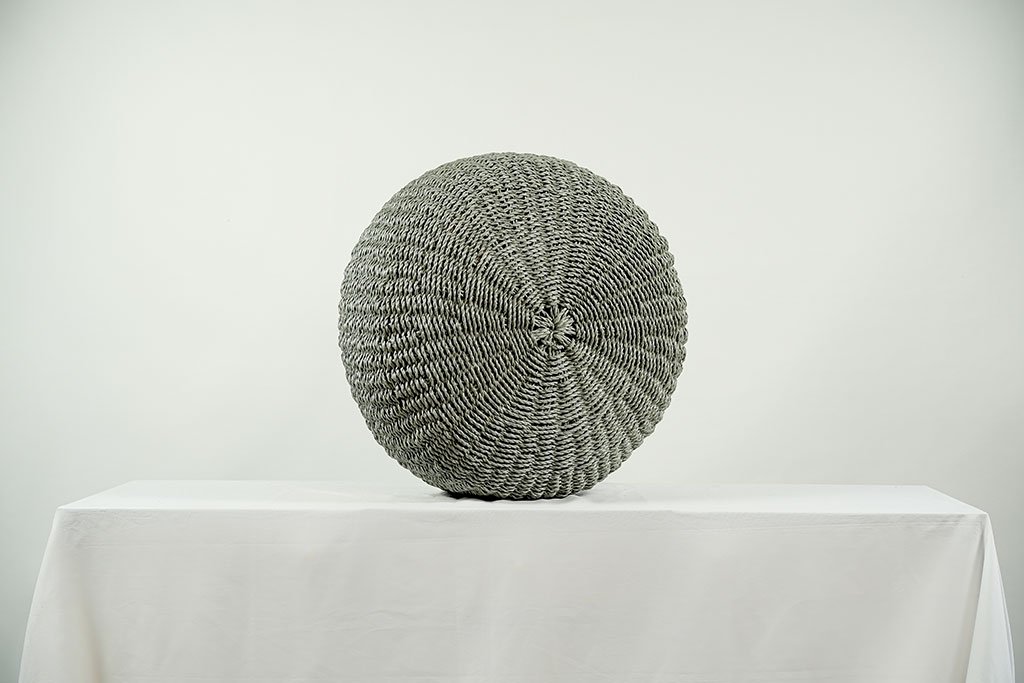
b. Natural Fibers and Sustainability: In an era where sustainability is a growing concern, the use of natural fibers in weaving has gained prominence. Materials like jute, hemp, and bamboo are not only eco-friendly but also add a rustic and organic touch to woven designs.
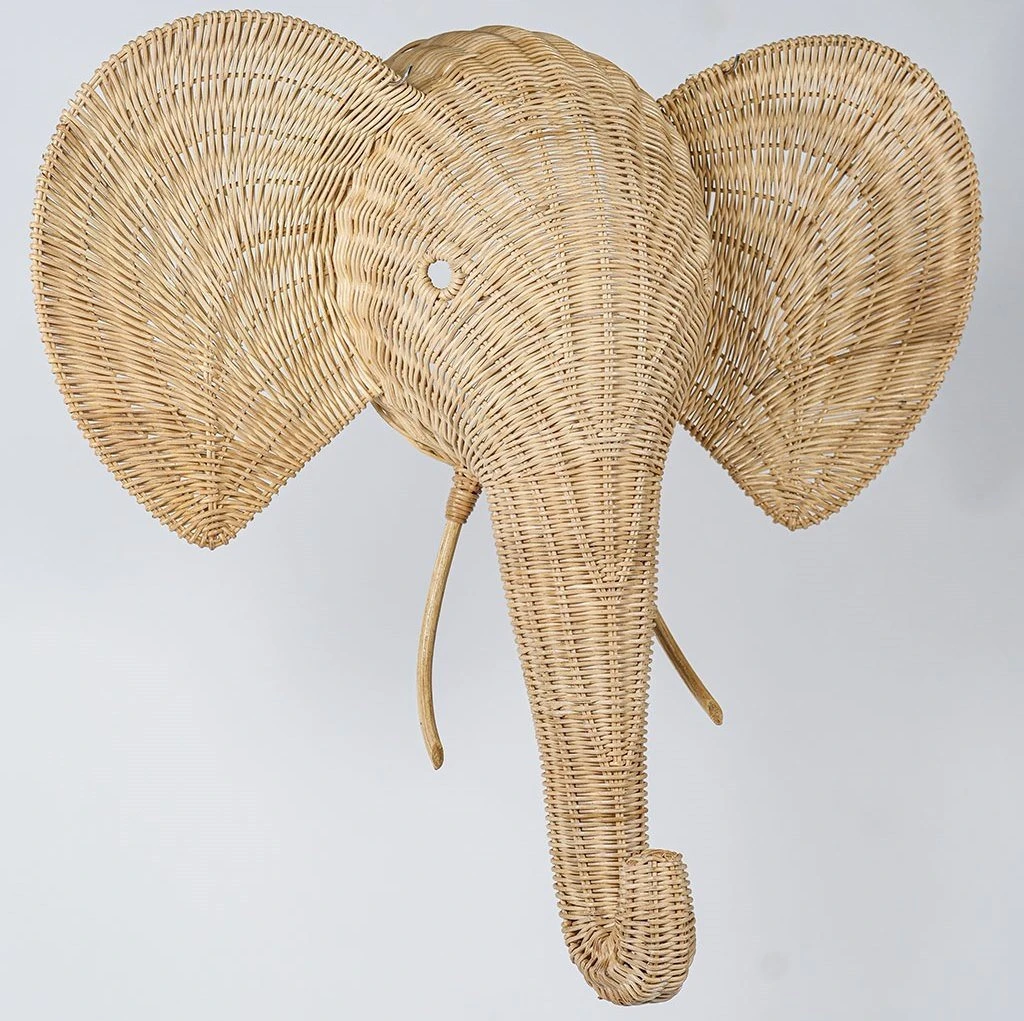
c. Beyond Textiles: Weaving extends beyond fabrics to include materials like rattan, wicker, and cane in furniture and decor. These woven elements bring a timeless elegance and a touch of nature to interior and exterior spaces.
-
Artistry in Woven Craftsmanship:
a. Intricate Patterns and Designs: Weaving allows for a level of intricacy that few other techniques can match. From geometric precision to free-flowing organic patterns, the artistry in woven design is a testament to the skill and creativity of artisans.
b. Handcrafted Excellence: Handwoven pieces carry a unique charm, showcasing the dedication and expertise of skilled craftsmen. Whether it's a handwoven rug, a basket, or a piece of furniture, the human touch adds value and authenticity to the final product.
-
Woven Design in Modern Spaces:
a. Bohemian Chic: The bohemian style, characterized by a relaxed and eclectic aesthetic, often incorporates woven elements. Think macramé wall hangings, rattan furniture, and textured throw pillows for a laid-back yet stylish vibe.
b. Minimalist Elegance: Weaving isn't confined to maximalist designs. In minimalist spaces, a carefully chosen woven accent, such as a simple rug or a sleek woven chair, can add warmth and visual interest without overwhelming the clean lines.
c. Outdoor Oasis: Woven materials are a natural fit for outdoor spaces. Weather-resistant wicker furniture, outdoor rugs, and hammocks create an inviting atmosphere that seamlessly blends with nature.